
Mia, a 27‑year‑old graphic designer from Melbourne, used to stare at the same train route every morning. Last month she installed a puzzle game on her phone and found herself solving a new level each stop. By the end of the week, she had cleared 12 levels and unlocked a new character. The same routine that once felt monotonous is now a daily source of small victories and a way to connect with friends who play the same game. Mia’s experience is a microcosm of a broader trend: mobile gaming is redefining how Australians spend their leisure time.
App Store Growth and Local Content
In 2023, the Australian App Store added over 4,500 new games, a 12% increase from the previous year. About 35% of those titles are developed by indie studios based in Sydney, Brisbane, and Adelaide. Developers are leveraging local stories—like the bushfire survival series “Outback Escape”—to resonate with domestic audiences. Because the games are free‑to‑play, the barrier to entry is low, allowing casual users to try multiple titles without committing to a purchase.
For those who enjoy a quick thrill, National casino offers an online gaming experience that blends skill and chance.
Another factor is the rise of “hyper‑casual” games, which launch in under an hour and focus on simple mechanics. According to a recent survey, 58% of Australian players prefer these quick sessions over more complex titles. This preference aligns with the country’s high mobile penetration rate—about 81% of adults own a smartphone—and the fact that 72% of those users play games during commutes or short breaks.
Monetization Models That Fit Daily Life
In‑app purchases dominate the revenue stream. On average, a casual player spends $0.15 per day, translating to $54.75 annually per active user. Premium subscriptions are also growing; the “Pro Gamer Pack” for one of the top strategy games costs $4.99 per month and offers ad‑free play plus exclusive skins. This model works well in a culture that values “micro‑transactions” over large upfront costs.
Advertising is another key revenue source. In‑game ads now average 30 seconds per session, and developers can opt for rewarded video ads that give players extra lives or currency. For players, this means a free experience with a choice: watch an ad or skip it for a small fee. The data shows that 65% of users choose the rewarded route, indicating a willingness to trade a brief interruption for tangible in‑game benefits.
Social Integration and Community Building
Mobile games are increasingly social. Features like real‑time co‑op mode, clan systems, and cross‑platform leaderboards encourage interaction. The popular multiplayer shooter “Stormfront” reports that 42% of its Australian player base engages in team play, boosting retention rates by 18% compared to single‑player titles.
Social media integration allows players to share achievements directly to Facebook or Instagram. This visibility turns gameplay into a social activity, reinforcing friendships and creating informal marketing channels. The result is a virtuous cycle where community growth fuels further engagement.
From Gaming to Broader Digital Entertainment
Mobile gaming’s influence stretches beyond the screen. The rise of esports tournaments streamed on YouTube and Twitch has drawn in casual viewers who later explore related content such as podcasts, fan art, and merchandise. This cross‑platform ecosystem has created new revenue streams for content creators and brands alike.
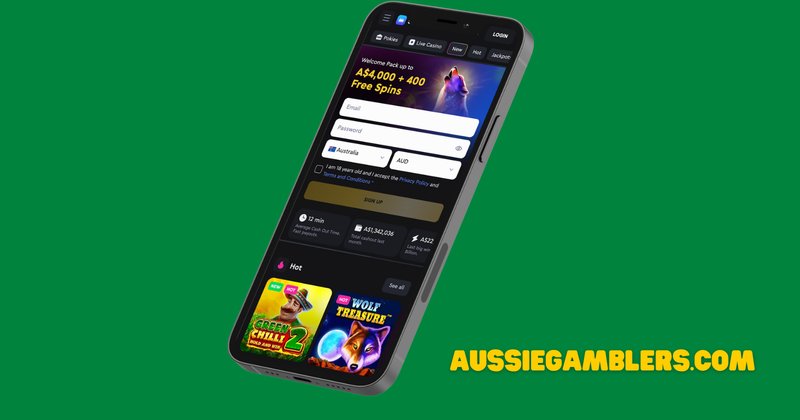
National casino players now enjoy a seamless blend of gaming and betting. By integrating mobile casino apps, users can place quick bets while commuting, turning downtime into an opportunity for entertainment and potential earnings. This convergence is reshaping the digital entertainment landscape, making leisure time more interactive and monetizable.
Challenges and Considerations
One limitation is the “attention drain” effect. Studies show that heavy mobile gaming can reduce focus on work or study tasks. For parents, managing screen time for children is a growing concern. Developers are responding with parental controls and time‑limit features, but the effectiveness varies.
Data privacy is another issue. In 2024, the Australian government introduced stricter regulations on data collection for apps. Developers must now provide clearer consent mechanisms, which can increase friction for users and potentially reduce ad revenue.
What This Means for Australians
Mobile gaming is no longer a niche pastime; it is a mainstream activity that shapes daily routines, social interactions, and even financial habits. The industry’s growth—projected to reach $1.2 billion in 2025—signals that Australians are ready to invest more time and money into digital play. For businesses, this trend offers opportunities in content creation, marketing, and new monetization models. For players, it means more engaging, socially connected, and accessible entertainment.
Looking Ahead
With 5G rollout completing in major cities and cloud gaming services like Google Stadia and Microsoft xCloud expanding, the line between mobile and console gaming will blur further. Developers will need to balance high‑fidelity experiences with mobile‑friendly designs. Meanwhile, policy makers will continue to grapple with regulation, ensuring that the industry grows responsibly.
As the mobile gaming ecosystem matures, Australians will likely see even more innovative ways to blend play with daily life. Whether it’s a quick puzzle during a train ride or a full‑blown esports event streamed from a smartphone, the future of digital entertainment in Australia is firmly mobile.
Frequently Asked Questions
How did Mia discover the idea of playing a puzzle game during her commute?
She was tired of staring at the same train route and decided to try a new mobile game to break the routine.
What type of game does Mia play?
She plays a level-based puzzle game that challenges her to solve different puzzles at each stop.
How has gaming improved her commute experience?
It turns a monotonous ride into a series of small victories, boosting her mood and productivity.
Can I join Mia’s gaming community?
Yes, many commuters share the same app and connect through in-game chat and challenges.
